

If you’re considering dental veneers to improve the appearance of your smile, you may be wondering how long your results will last. Are veneers permanent? While dental veneers are designed to be a long-term cosmetic solution, they aren’t considered permanent. With proper care, high-quality veneers can last for many years before they eventually need to be replaced.
At Evergreen Smile Studio, we want patients to feel confident not only about their new smiles but also about how to care for them. Understanding what veneers are, how long they typically last, and what you can do to protect them can help you get the most from your investment.
What Are Dental Veneers?
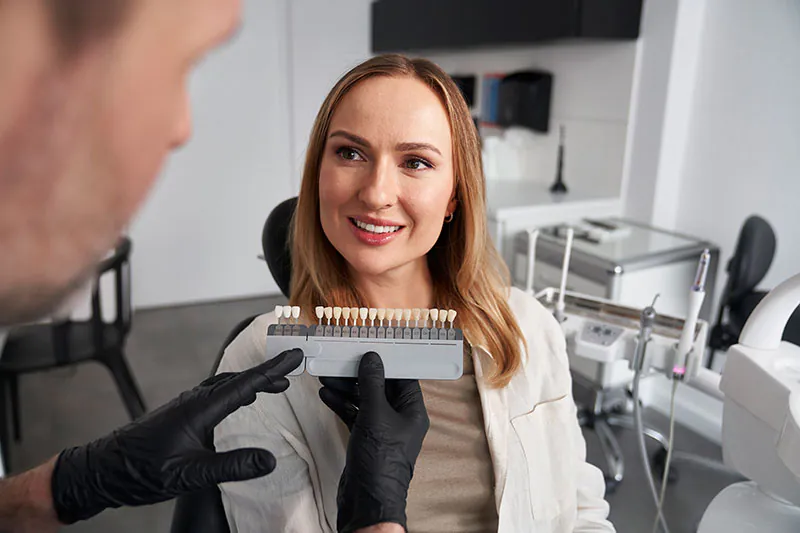 Dental veneers are thin coverings that are bonded to the front surfaces of teeth. They can be made from materials such as porcelain or composite resin and are used to improve the appearance of teeth affected by discoloration, chips, minor wear, uneven shapes, or certain spacing concerns.
Porcelain veneers are particularly popular because they can closely mimic the appearance of natural tooth enamel. They are custom-made to complement the shape, color, and proportions of your smile.
While veneers can dramatically change the appearance of your teeth, they are still restorations that require care and maintenance.
Are Veneers Permanent?
No, veneers aren't considered permanent. Although they are designed to be durable and long-lasting, they can eventually wear down, chip, crack, become damaged, or need to be replaced.
Porcelain veneers often last 10 years or longer with proper care, although their lifespan varies from person to person. Your oral hygiene, eating habits, bite, lifestyle, and the material used for your veneers can all affect how long they last.
It’s also important to understand that traditional veneers generally require some removal of natural tooth enamel to make room for the restoration. This means that if a veneer eventually needs to be replaced, the tooth may continue to require a veneer or another type of restoration.
Your dentist can explain exactly what to expect based on the type of veneers you’re considering.
What Can Cause Veneers to Chip or Break?
Veneers are strong, but they aren't indestructible. Certain habits can put unnecessary stress on them and increase the risk of damage.
Some common causes of chipped or broken veneers include:
- Biting down on hard objects, such as pens or fingernails
- Chewing ice
- Using your teeth to open packages or bottles
- Biting directly into particularly hard foods
- Grinding or clenching your teeth
- Trauma or an accident involving the mouth
- Poor oral hygiene that contributes to problems with the teeth or gums supporting the veneers
Being mindful of these habits can help protect both your veneers and your natural teeth.
How Can You Make Your Veneers Last Longer?
Taking care of veneers is similar in many ways to taking care of natural teeth. A few simple habits can help protect your investment and keep your smile looking its best.
Practice Good Oral Hygiene
Brush twice a day with a soft-bristled toothbrush and fluoride toothpaste, and clean between your teeth every day. Even though veneers themselves aren't susceptible to cavities, the natural tooth underneath and around the veneer still needs protection.
Avoid Using Your Teeth as Tools
It can be tempting to use your teeth to tear packaging or open something when you don't have scissors nearby, but this can put excessive force on your veneers. Use the appropriate tool instead.
Be Careful With Hard Foods
You don't necessarily have to eliminate every crunchy food from your diet, but be mindful of very hard foods and avoid biting down on hard objects. Cutting foods into smaller pieces can also make them easier to chew.
Address Teeth Grinding
If you grind or clench your teeth, talk with your dentist about ways to protect your smile. A custom nightguard may be recommended to reduce excessive forces on your teeth and veneers while you sleep.
Keep Up With Dental Visits
Regular dental appointments allow your dentist to monitor your veneers, natural teeth, gums, and bite. Professional cleanings can also help maintain your overall oral health and keep your smile looking its best.
What Happens If a Veneer Chips or Falls Off?
If you notice that a veneer has chipped, cracked, or come loose, don't panic. Contact your dentist so they can evaluate the restoration and determine the best way to repair or replace it.
Avoid attempting to glue a veneer back onto your tooth yourself. Depending on the situation, your dentist may be able to repair the veneer, rebond it, or recommend creating a new restoration.
If you experience significant pain, sensitivity, swelling, or an injury to the tooth at the same time, let your dental team know when you call.
Get the Most From Your New Smile
Dental veneers can provide beautiful, natural-looking results and are designed to last for many years. While they're not permanent, taking care of your veneers—and the natural teeth underneath them—can help extend their lifespan.
If you're considering veneers, the team at Evergreen Smile Studio can help you determine whether they're a good fit for your smile and discuss what you can expect from treatment. With the right care and regular dental visits, you can enjoy your new smile for years to come.
Ready to learn whether veneers are right for you? Contact Evergreen Smile Studio to schedule your cosmetic consultation.


