

Dental crowns are designed to protect and restore teeth that have been weakened by decay, cracks, large fillings, or other damage. Once a crown is placed, you may go years without giving it a second thought. But occasionally, a dental crown can become loose or fall out.
If this happens to you, don't panic. A crown falling out usually isn't a dental emergency like a severe injury or uncontrolled bleeding, but it still needs timely attention. Knowing what to do can help protect the underlying tooth and make it easier for your dentist to determine the best next step.
At Evergreen Smile Studio in Seattle, WA, Dr. Rebekah and the team provide restorative dental care in a comfortable, welcoming environment. If your crown has come loose or fallen out, we're here to help you understand what happened and get your smile back on track.
What Is a Dental Crown?
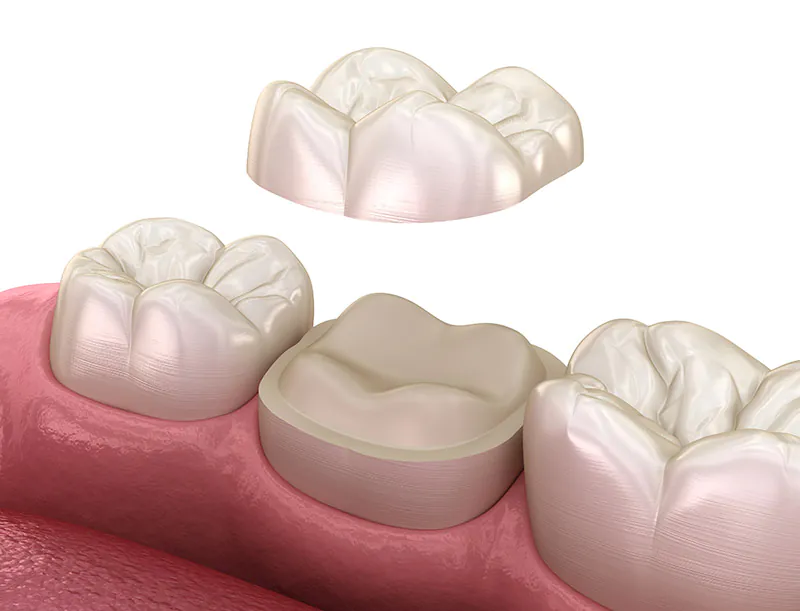 A dental crown is a custom-made restoration that fits over a damaged or weakened tooth. Sometimes called a "cap," a crown covers the visible portion of the tooth and helps restore its shape, strength, function, and appearance.
Your dentist may recommend a dental crown when a tooth has experienced significant damage that cannot be adequately restored with a filling alone.
Common reasons for getting a dental crown include:
- A tooth with extensive decay
- A cracked or fractured tooth
- A tooth that has undergone root canal treatment
- A tooth with a large or failing filling
- A significantly worn-down tooth
- A weakened tooth that needs additional protection
- Restoring a tooth as part of certain dental implant treatments
A crown is designed to function much like your natural tooth, allowing you to eat, speak, and smile normally while providing additional protection to the underlying tooth.
Why Would a Dental Crown Fall Out?
Although dental crowns are designed for long-term use, they aren't indestructible. A crown can become loose or fall out for several reasons.
One possibility is that the cement or bonding material holding the crown in place has weakened over time. Normal chewing forces, changes in the underlying tooth, or wear can eventually affect the crown's retention.
A crown may also become loose if the tooth underneath it develops new decay or becomes damaged. In some cases, a crown that was originally placed many years ago may simply need to be replaced.
Other potential causes include:
- Biting down on very hard foods or objects
- Trauma or an injury to the mouth
- Teeth grinding or clenching
- Changes in the underlying tooth
- Recurrent decay around the crown
- Wear or damage to the crown itself
- An issue with the original fit or cementation
Sometimes, a crown comes out while you're eating, and you may not even realize exactly what caused it. Whatever the reason, don't assume that the tooth is fine just because the crown itself appears intact.
What Should I Do If My Dental Crown Falls Out?
If your crown falls out, the most important thing is to stay calm and contact your dentist.
Here are the steps you can take:
1. Find and Save the Crown
If you can locate the crown, save it and bring it with you to your dental appointment.
Don't throw it away, even if it looks damaged. Your dentist will want to examine the crown to determine whether it may be possible to reuse it or whether a new restoration is needed.
2. Rinse Your Mouth
Gently rinse your mouth with warm water to clear away any food particles or debris. Avoid aggressively scrubbing the exposed tooth or the inside of the crown.
3. Protect the Tooth
The tooth underneath the crown may be more vulnerable now that it is exposed.
If possible, avoid chewing on that side of your mouth until you've seen your dentist. Hard, sticky, or chewy foods can potentially cause additional damage or make the situation more uncomfortable.
If the exposed tooth is sensitive, avoiding very hot, cold, sweet, or acidic foods and drinks may also help minimize discomfort.
4. Call Your Seattle Dentist
Contact Evergreen Smile Studio as soon as you can and let the team know that your crown has fallen out.
Your dentist will need to evaluate the tooth and crown before determining what should happen next. Depending on the condition of both, your dentist may be able to recement the existing crown, or you may need a new crown or another type of restoration.
The sooner the tooth is evaluated, the sooner you can get a plan for protecting it.
Can I Put My Dental Crown Back in Myself?
You may be tempted to simply put the crown back over your tooth, especially if it seems to fit perfectly.
However, don't use household glue or permanent adhesives to try to attach your crown yourself.
Household adhesives aren't designed for use inside your mouth and can make professional treatment more difficult.
If your dentist has specifically instructed you to temporarily place the crown back over the tooth using an appropriate temporary dental cement, follow those instructions carefully. Otherwise, it's best to keep the crown clean and bring it with you to your appointment.
Is a Crown Falling Out a Dental Emergency?
A loose or lost crown generally calls for prompt dental attention, but it isn't necessarily an emergency.
If you're not experiencing significant pain or other concerning symptoms, you can typically contact your dentist during normal office hours and arrange an appointment.
However, you should seek more immediate dental care if the lost crown is accompanied by:
- Severe or worsening pain
- Significant swelling
- Bleeding that doesn't stop
- A serious injury to the mouth or jaw
- Signs of infection, such as swelling accompanied by fever
- Difficulty breathing or swallowing
Even when there isn't an emergency, don't ignore a lost crown for weeks. The exposed tooth can be more susceptible to damage, sensitivity, and decay.
What Happens When I Go to the Dentist With a Lost Crown?
When you visit Evergreen Smile Studio, Dr. Rebekah will first evaluate the tooth and the crown to determine why the crown came loose and whether the tooth underneath is still healthy enough to support it.
Your dentist may look for signs of:
- New decay
- Cracks or fractures
- Damage to the underlying tooth
- Changes in the surrounding gums
- Wear or damage to the crown
- Problems with the crown's fit
Depending on what your dentist finds, there are several possible solutions.
The Existing Crown May Be Recemented
If the crown is intact, still fits properly, and the underlying tooth is healthy, your dentist may be able to clean everything and securely recement the crown.
This is one reason it's important to save the crown after it falls out.
You May Need a New Crown
If the crown is damaged, worn out, no longer fits correctly, or the tooth underneath has changed, replacing the crown may be the better option.
Your dentist will explain why a new restoration is recommended and what you can expect from the process.
The Tooth May Need Additional Treatment
Sometimes, a crown falls out because there is a problem underneath it.
If your dentist finds significant decay, a crack, infection, or other damage, the tooth may need additional treatment before a new crown can be placed.
Depending on the situation, treatment could involve a filling, root canal therapy, or another restorative procedure.
In some cases, the tooth may no longer be able to support a crown and your dentist may discuss tooth replacement options instead. The appropriate treatment depends on the condition of the tooth and your overall oral health.
How Can I Prevent My Dental Crown From Falling Out?
You can't completely eliminate the possibility of a crown becoming loose, but taking care of your restoration can help protect it and the tooth underneath.
Practice Good Oral Hygiene
A crown doesn't make the tooth underneath it immune to decay. The area where the crown meets the natural tooth still needs careful attention.
Brush twice a day with fluoride toothpaste and clean between your teeth every day. Your dentist or hygienist can also recommend the best techniques and products for your individual smile.
Be Careful With Extremely Hard Foods
Avoid regularly biting down on extremely hard foods or objects, particularly with a crowned tooth.
Ice, hard candies, and non-food objects can place significant forces on teeth and dental restorations. Opening packages, biting fingernails, chewing on pens, or using your teeth to manipulate objects can put unnecessary stress on your teeth and crowns.
Address Teeth Grinding or Clenching
If you grind or clench your teeth, your dentist may recommend a custom nightguard or another strategy to help protect your smile.
Excessive forces from grinding can contribute to wear, cracks, and damage to both natural teeth and dental restorations.
Keep Up With Routine Dental Visits
Regular dental exams allow your dentist to monitor your crowns and the teeth supporting them.
At Evergreen Smile Studio, preventive care is an important part of maintaining long-term oral health. Routine visits give Dr. Rebekah and her team the chance to identify potential problems before they become bigger concerns.
How Long Do Dental Crowns Last?
Dental crowns don't last forever, but with appropriate care, they can provide many years of service.
The lifespan of a crown depends on factors such as the material used, the condition of the underlying tooth, your bite, oral hygiene, diet, and whether you grind or clench your teeth.
A crown that has been in place for many years may eventually need to be replaced even if it hasn't suddenly fallen out. Regular dental visits can help your dentist monitor the condition of your restorations and determine when replacement may be appropriate.
Can a Crown Fall Out Because of a Cavity?
Yes. While the crown itself may not decay, the natural tooth underneath or around the edges of the crown can still develop decay.
A dental crown covers the visible portion of the tooth, but there is still natural tooth structure underneath and around it. If bacteria and plaque accumulate along the crown margin, decay can develop in the underlying tooth.
This is one reason brushing and flossing remain important even after you've received a crown.
If a crown repeatedly becomes loose or falls out, your dentist may want to investigate whether there is an underlying issue rather than simply replacing or recementing it.
What If My Crown Falls Out at Night or on the Weekend?
A lost crown doesn't always happen conveniently during business hours.
If your crown falls out when the dental office is closed, keep the crown in a safe place and protect the exposed tooth until you can contact your dentist.
Avoid chewing on the affected side, particularly if the tooth is sensitive. If you're comfortable and your dentist has previously provided instructions for handling a loose restoration, follow those instructions.
If you're experiencing severe pain, swelling, significant trauma, or another urgent symptom, seek emergency dental care rather than waiting for the office to reopen.
Otherwise, contact Evergreen Smile Studio as soon as the office is available and let the team know what happened.
A Lost Crown Doesn't Have to Be a Stressful Experience
Having a dental crown fall out can be startling, especially when you aren't sure whether you've damaged your tooth or what you're supposed to do next. The good news is that prompt dental attention can often help prevent the situation from becoming a bigger problem.
At Evergreen Smile Studio, Dr. Rebekah and her team believe dental care should feel comfortable, welcoming, and personal. That philosophy extends to unexpected dental concerns, too. If you've lost a crown, you don't have to feel embarrassed or worried about coming in. The team is there to help you understand what's happening and find the right solution for your smile.
Need Help With a Lost Dental Crown in Seattle?
If your dental crown has fallen out, save the crown, protect the exposed tooth, and contact your dentist for an evaluation. Avoid using household adhesives or trying to permanently reattach the crown yourself.
At Evergreen Smile Studio in Seattle, WA, Dr. Rebekah and her team provide restorative and preventive dental care in a modern, comfortable environment built around genuine patient connections.
If you need help with a loose or lost dental crown – or simply want to make sure your smile is healthy and protected – contact Evergreen Smile Studio to schedule an appointment.


